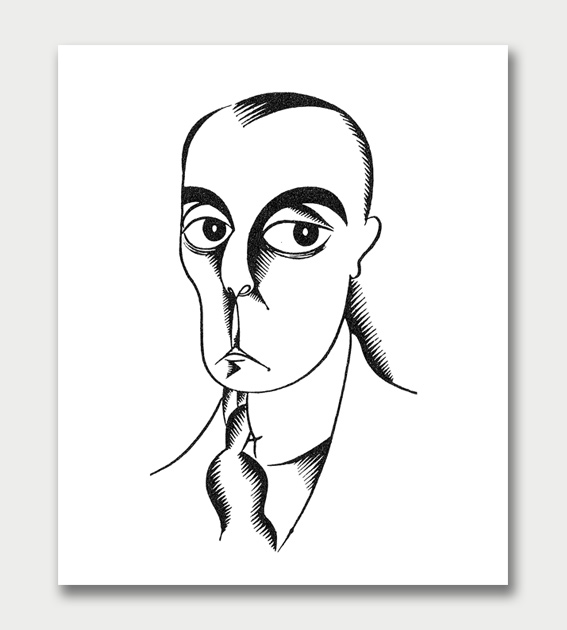
Sportswriter Ring Lardner, who won fame for his hilarious baseball satires, was a gloomy, sardonic man. In the 1920s, as his fame increased, his despondency deepened. When asked the 10 most beautiful words in the English language, he included “mange”, “wretch”, “scram” and “gangrene.”
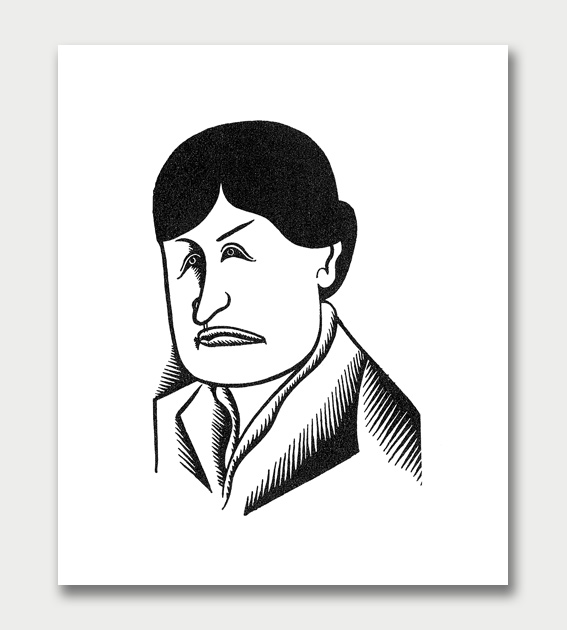
Novelist Sinclair Lewis said that Willa Cather should have received the Nobel Prize conferred on him. Among Miss Cather’s admirable qualities, Lewis said, was “the courage to be tender and perfectly simple.”
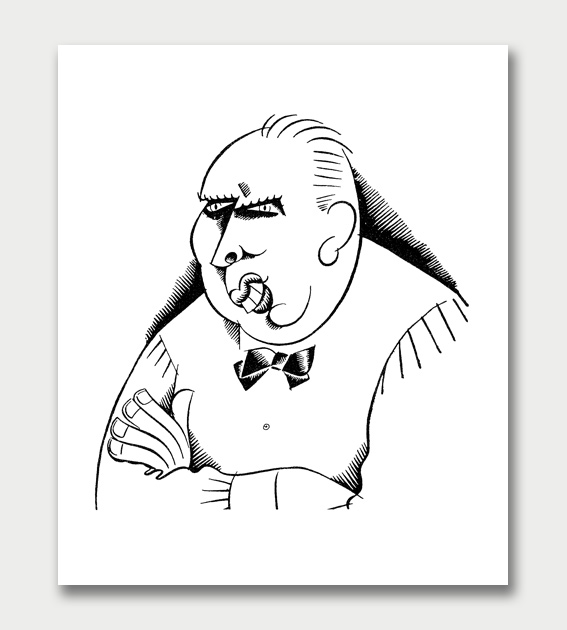
The lugubrious novels of Theodore Dreiser had contradictory themes: protests against injustice and demonstrations that man was a helpless victim of environment. “Marching alone, usually unappreciated, often hated,” Dreiser “cleared the trail… to honesty and boldness and passion of life.”
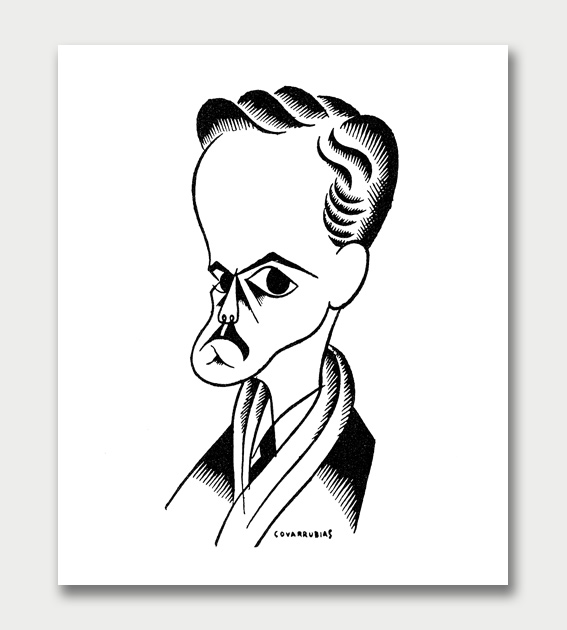
From his incredibly luckless personal life, Eugene O’Neill drew many memorable characters who travel “through a haunted wood of pathos, futility, self-pity and frustration.” He is, by common consent, America’s greatest playwright; he won four Pulitzer Prizes and the Nobel Prize for Literature.
Text and images: The LIFE History of the United States, Vol. 10: 1917-1932, Boom and Bust
. . . . . . . . . . . . . . . . . . . . . . . . . . . . . . . . . . . . . . . .
Ah, the happy faces and hapless lives of the Jazz Age literary greats and dedicated archcritics of American civilization. I would love to see Sinclair Lewis and H. L. Mencken in this batch as well. These fantastic woodcut caricatures were drawn by famed Mexican artist Miguel Covarrubias.
“José Miguel Covarrubias (November 22, 1904 Mexico City – February 4, 1957) was a Mexican painter and caricaturist, ethnologist and art historian among other interests. In 1924 at the age of 19 he moved to New York City armed with a grant from the Mexican government, tremendous talent, but very little English speaking skill. Luckily, Miguel could draw. In her book, Covarrubias, author Adriana Williams tells how Mexican poet José Juan Tablada and New York Times critic/photographer Carl Van Vechten, introduced him to New York’s literary/cultural elite also known as the Smart Set. Soon Miguel was drawing for several top magazines, eventually becoming one of Vanity Fair magazine’s premier caricaturists.” –Wikipedia
. . . . . . . . . . . . . . . . . . . . . . . . . . . . . . . . . . . . . . . .





{ 2 comments… read them below or add one }
Thanks for this post! I’ve never heard of this artist, but definitely want to check out that book.
Wow, awesome post! I’ve never even heard of José Miguel Covarrubias - and now he’s one of my favorite illustrators - thank you Mr. Velvet!
{ 1 trackback }